Webdesign Impact
Website creation and management requires versatile disciplines and competencies that are often a single package in web design. Web design has various aspects, including search engine optimization (SEO), UI design (user interface), proprietary applications or standardized code authorship, graphic design, and UX (user experience) design. Many designers operate in groups to cover the various fields of the designing process. It is rare to find a single designer proficient in all the aspects. Although web design may lack a precise meaning, it could explain the front-end website activities, such as markup development. Usability and role awareness are essential for any design process.
The Secret to Landing Page Success
30 Nov 2021
Landing pages aim to convert prospective buyers into concrete customers. To achieve this, they need to deliver a clear message, explaining exactly how the product can help resolve their problem and a clear call to action. Engaging visitors through interactive tools can also add a significant boost to conversions.
Use the Divi Theme to Make a WordPress Website
14 Oct 2021
If you are starting out your business and can't afford a professional website designer, then fear not. There are a number of drag and drop site builders that let you quickly create an impressive-looking website. Divi is one of the most popular and easiest to use.
Why Is Web Design So Important for Your Site?
28 Aug 2021
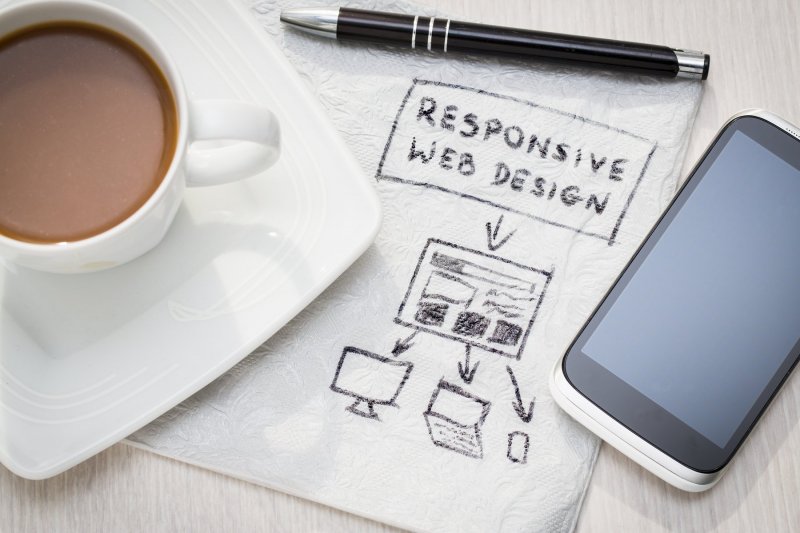
In business, your website is an essential tool in giving a first impression. The design of your site is the difference between a visitor becoming a potential customer or simply scrolling on to the next site. There are several benefits to having well-constructed web design:
Brand & Image
A website represents the brand and image of the company. A well-designed homepage will turn visitors into clients. Everything from the colour to the fonts used in web designing will impact what the visitor thinks of the business. Blue, for example, is often associated with trust and can therefore draw a visitor into wanting to know more about your company.
Marketing & Sales
Most transactions are done online these days. A simple and user-friendly website will get more clicks, and this will lead to more customers. The less complicated it is to browse, play and pay, the more people will use your site. A potential punter looking for an online casino to subscribe to, for instance, does not want to be stuck on the website looking for how to register.
SEO Strategy
An invisible website does not generate leads or business. Search engine crawlers use the content on it when indexing your site. Your search engine optimization strategy is heavily dependent on how content on your website is published. When the SEO basics are good, your website will become more visible to your target market.
Customer Service Made Simpler
An up-to-date, smart website informs your potential customers that the company is welcoming and professional. The effort put into your website reflects how you treat your customers when they walk into any of your offices or premises. The website is an online customer care representative, the equivalent of a friendly smiling face at your business' doorstep.
Helps You Stand Out
A well-designed website will stand out. A poorly designed website gives the impression of a poorly run business. The internet is now a global village with many people doing the same things your company may be doing; being unique is vital.
Builds Trust
A professional, attractive website builds trust with visitors. There is enough distrust with internet users out there as it is. Site design is critical as to whether a visitor stays or leaves without so much as a click. The trust built on your website will carry over when potential clients deal with your business directly.
Conclusion
Your website is the first reference point for all your potential online clients. How it looks will determine how much money you’ll make from it. Layout, fonts, accessibility and colours are all critical in getting a visitor's attention. Web design is a deal-breaker in today's digital world. The more professional it is, the better your business will perform.
What Does a Graphic Designer Do?
5 Aug 2021
A graphic designer's role is actually to create a visual concept using specific software to communicate the ideas of the website. They typically design the initial layout to inspire and inform visitors. If they succeed in communicating the required message, they will have achieved their goal.